

In brief
Uterine fibroids are a leading cause of heavy menstrual bleeding and pelvic discomfort for many women. Understanding the clinical nature of these growths and how they are diagnosed is the first step toward finding a solution that restores your health and daily routine.
Uterine Fibroids: What Are They?
Uterine fibroids, also known as leiomyomas, are benign (non-cancerous) growths that develop from the muscular wall of the uterus. This is a very common medical condition among women of childbearing age, often referred to as a “fibroid uterus.”
While most fibroids are small and asymptomatic, larger or specifically positioned fibroids can lead to heavy menstrual bleeding, pelvic pain, and lower abdominal pressure. In such cases, a medical evaluation is recommended to diagnose the condition and explore appropriate treatment options.
Symptoms of Uterine Fibroids
When fibroids cause symptoms, they may include:
- Heavy or prolonged menstrual bleeding.
- Bleeding between periods.
- Pelvic pain and discomfort.
- A feeling of pressure or fullness in the lower abdomen.
- Pressure on the bladder or rectum (causing frequent urination or constipation).
- Pain during intercourse.
In some cases, challenges with fertility. The intensity of these symptoms depends on the size, number, and exact location of the fibroids within the uterus.
How Are Fibroids Diagnosed?
The diagnosis of uterine fibroids is typically performed using a Pelvic Ultrasound, which identifies the location and size of the growths. In certain cases, your doctor may recommend a Pelvic MRI. An MRI provides precise information regarding the number and size of the fibroids, as well as their blood supply – data that is crucial for planning an effective treatment strategy.
When is Treatment Necessary?
Not every fibroid requires intervention. For small, asymptomatic fibroids, “watchful waiting” or periodic monitoring may be sufficient. However, treatment is recommended when:
- Bleeding becomes heavy or prolonged.
- Significant pelvic pain occurs.
- There is pressure on adjacent organs.
- The condition causes a decline in quality of life or impacts fertility.
Treatment Options for Uterine Fibroids
- Medication: To manage and alleviate symptoms in certain cases.
- Surgical Options: Myomectomy (removal of the fibroid while preserving the uterus) or Hysterectomy (removal of the uterus).
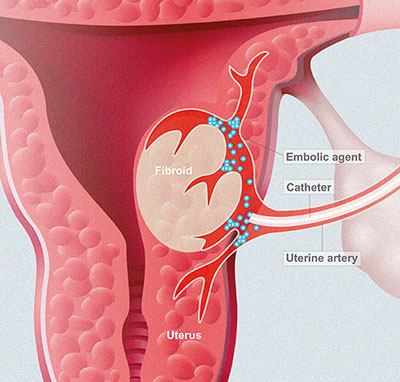
- Uterine Fibroid Embolization (UFE): A minimally invasive, non-surgical treatment performed via catheterization. During the Embolization process, the blood supply to the fibroids is blocked, causing them to shrink and symptoms to subside. This is an ideal solution for women seeking relief without surgery.
Are you suffering from symptomatic fibroids? Contact us today to schedule an advanced evaluation and consultation with Dr. Adam Farkas.
