

In brief
The era of 'surgery-only' solutions is over. Uterine Fibroid Embolization (UFE) represents the pinnacle of interventional radiology, offering a way to treat the root cause of your symptoms while keeping your uterus intact.
Uterine fibroids, or leiomyomas, are non-cancerous growths of the uterus that often appear during childbearing years. While they do not increase the risk of uterine cancer, their presence can drastically alter a woman’s quality of life.
Understanding the Types of Fibroids
The symptoms you experience often depend on where the fibroids are located:
- Intramural Fibroids: Grow within the muscular uterine wall. When they expand, they can make the womb feel larger than normal, causing “pressure” symptoms.
- Subserosal Fibroids: Located on the outside of the uterus. these can press on the bladder (causing frequent urination) or the rectum (causing constipation or back pain).
- Submucosal Fibroids: These grow just under the uterine lining and push into the uterine cavity. Even small submucosal fibroids are notorious for causing heavy, prolonged menstrual bleeding.
Why It Matters
Recognizing that “watchful waiting” is an option for asymptomatic fibroids- and that minimally invasive technology exists for symptomatic ones- is key. You no longer have to choose between living in pain or undergoing a hysterectomy.
Uterine Fibroid Embolization (UFE)
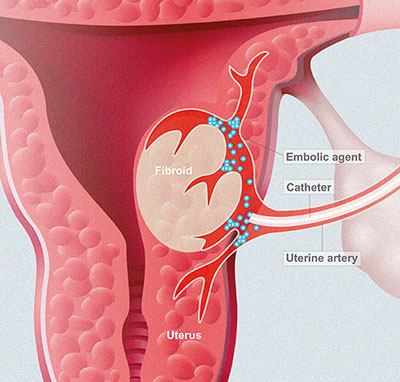
Uterine Fibroid Embolization (UFE) is a specialized, image-guided procedure. During the embolization process, an interventional radiologist uses a tiny catheter to deliver microspheres that block the blood supply to the fibroids. Deprived of blood flow, the fibroids shrink and symptoms resolve naturally.
Key Advantages of Embolization:
- Uterine Preservation: A highly effective alternative to hysterectomy.
- No General Anesthesia: Performed under conscious sedation for a safer experience.
- Rapid Recovery: Most patients return to their normal activities within a week.
- Comprehensive Care: Embolization treats all fibroids in the uterus simultaneously.
Take the first step toward relief. Schedule a personal consultation with Dr. Adam Farkas to discuss your options
